
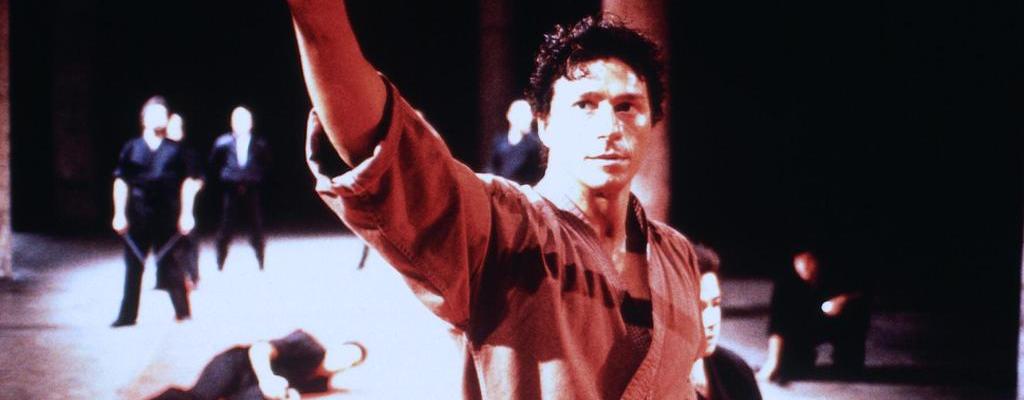
Matty kicks back with a rock-solid Jeff Wincott action romp.
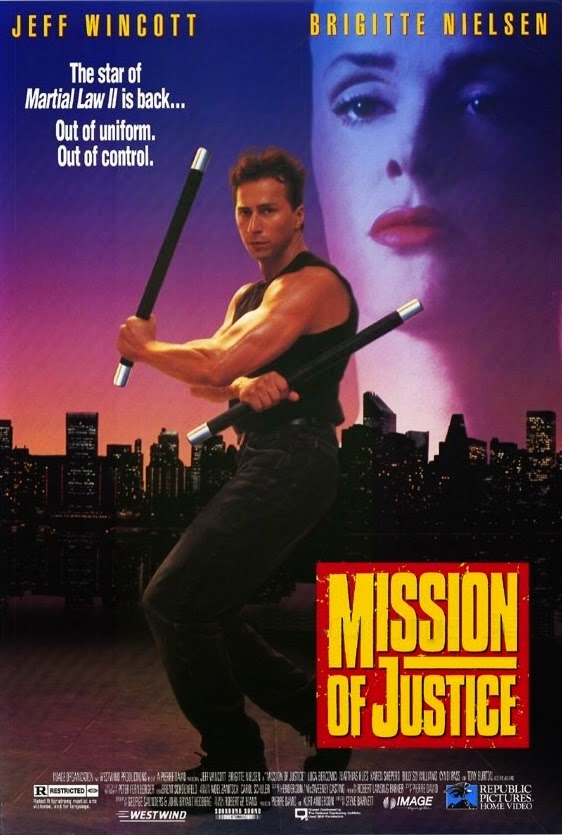
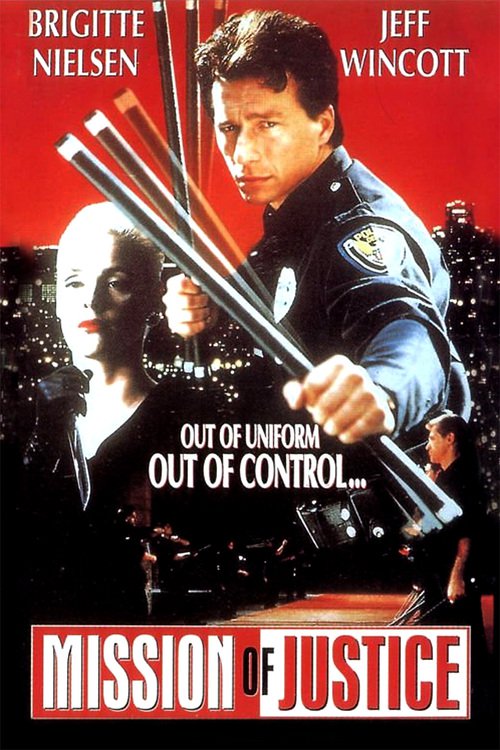
Conceived as the third entry in the Martial Law series and even titled as such in certain territories, MISSION OF JUSTICE (1992) became its own thing at the urging of its high-kicking star, Jeff Wincott, who wanted to stretch his dramatic muscles as much as his hamstrings [1]. Martial Law (1990) and Mission of Justice’s producer, Pierre David, happily obliged. The Canuxploitation icon and Image Organization boss was keen to keep fellow countryman Wincott on his books as an in-house action hero, believing him to have the breakout potential of Jean-Claude Van Damme. In a strange twist of fate, years later Wincott was cast as the long-lost brother of Van Damme’s Universal Soldier (1992) character, Luc Deveraux, in made-for-television sequels Universal Soldier II: Brothers in Arms (1998) and Universal Soldier III: Unfinished Business (1998). However, David and, indeed, returning co-producer Kurt Anderson’s faith in Wincott stemmed from the fact that, like JCVD, he harboured genuine acting ability compared to a lot of his arse-whupping brethren.
Wincott had, of course, studied with Juilliard teacher Michael Kahn. And just prior to his burgeoning status as a DTV hardman, he’d earned plaudits for his role in the hugely successful Canadian-American police drama, Night Heat. David and Anderson, meanwhile, tapped into Wincott’s flair for playing heroes with an edge in Martial Law II: Undercover (1991), imbuing the part of Sean Thompson with a grittiness lacking from its original incarnation (it was essayed by Chad McQueen in Martial Law).
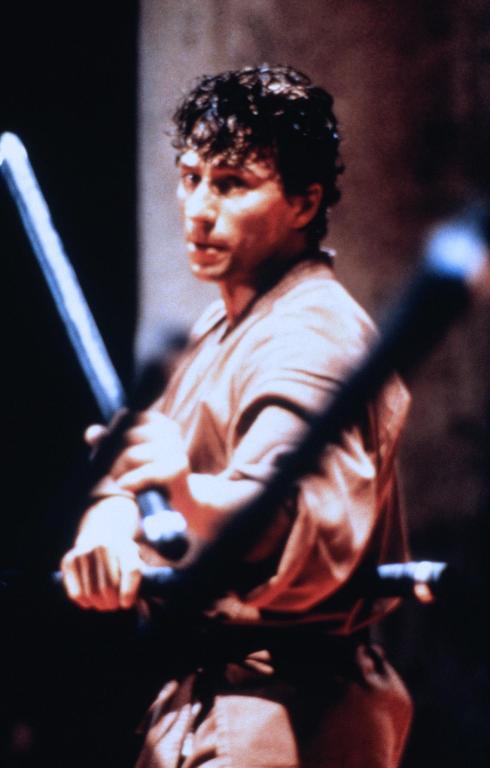
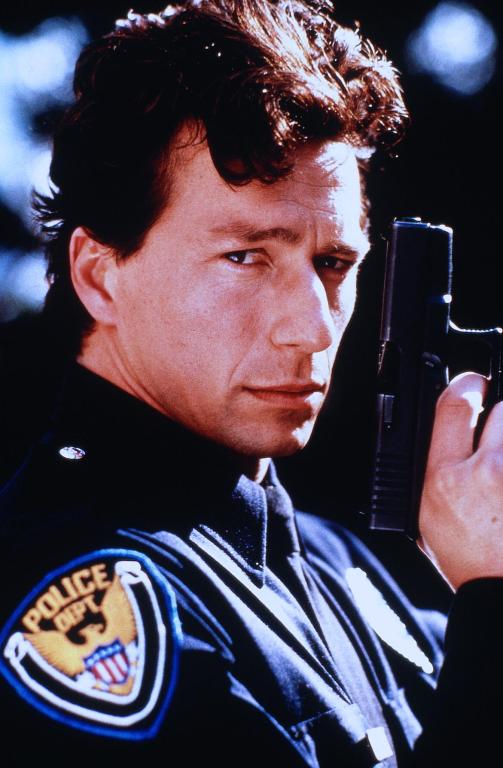
Lensed after Wincott’s equally gritty turn in PM Entertainment thumper Deadly Bet (1992), Mission of Justice finds the Toronto-born bruiser — who, a la New Line’s contemporaneous action darling, Thomas Ian Griffith, practiced Taekwondo — brooding as police officer Kurt Harris. Bullheaded, explosive and harbouring a strong sense of what’s right and wrong (albeit prone to haphazardly enforcing it), Harris winds up eating a suspension for decking a superior (David totem Christopher Kriesa, doing his usual blowhard shtick in the first of his umpteen collabs with the mogul). That said decking comes in the wake of a rash decision which resulted in the death of a battered housewife is integral to Harris’ arc. Disillusioned, Harris falls in with The Peacekeepers: a bizarre, privately funded unit/personal security team operating at the behest of Dr. Rachel Larkin (Brigitte Nielsen), a bent mayoral candidate whose campaign hinges on her hard-line approach to crime. Half unofficially undercover, half genuinely intrigued — Harris is an angry, jaded man seeking purpose and redemption, and Wincott is compelling in his depiction. He vividly brings to life the main thesis of George Saunders and John Bryant Hedberg’s script, about how radicalisation preys upon the broken.
It’s Wincott’s first great action performance.
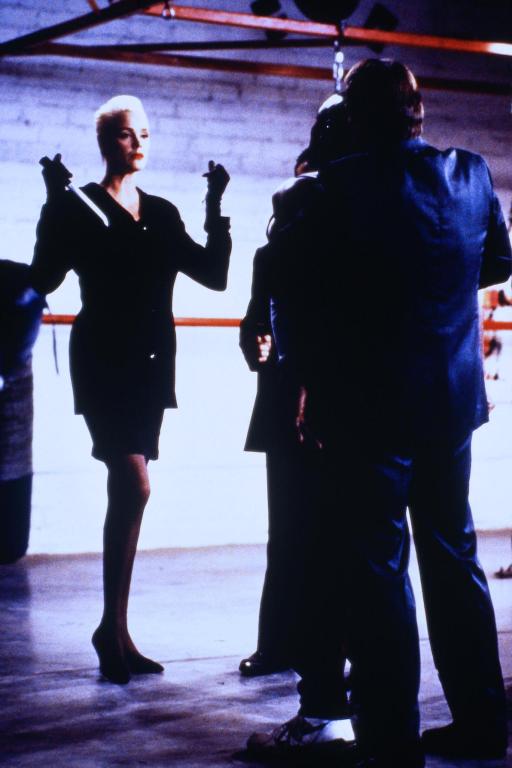
Nielsen is similarly fantastic. The striking Danish bombshell exudes a mesmeric otherworldly quality, at once seductive, creepy and ruthlessly — terrifyingly — ambitious, and her nuances and eccentricities are bolstered by the solid support of Matthias Hues as her brother/muscle, and Luca Bercovici as her oily spinmeister.
Alas, despite being well written — and, at times, alarmingly prescient and relevant — Wincott’s dismantling of Nielsen’s neo-fascist operation occasionally falters viscerally due to cumbersome staging. Now a big-time post-production exec (credits include: Prey (2022) and Avatar: Fire and Ash (2025)), helmer Steve Barnett cut his teeth with Roger Corman, overseeing post on Munchies (1987), Stripped to Kill (1987) and The Nest (1988), and directing Hollywood Boulevard II (1990). Before Mission of Justice, Barnett shepherded atmospheric sci-shocker Mindwarp (1991) for the short-lived film division of horror bible Fangoria, and tackled megaphone-wielding duties on Martial Law II’s second unit (where he ingratiated himself with David et al) [2]. Though capable of shaping a scene and sporting an eye for an interesting visual, in Mission of Justice Barnett’s down n’ dirty style never completely meshes with the snazzier, more flamboyant bursts of chop socky orchestrated by fight choreographer Jeff Pruitt (another Martial Law I & II alum) [3]. It’s good enough — but the flaws are exacerbated by steaming versions featuring out of synch foley.
In any case, it’s a minor quibble in the grand scheme of things.
To be clear: Mission of Justice is a (modest) corker — and as shaky as some of the action is in execution, there’s plenty of conceptually imaginative violence to savour.
Wincott hoofing the proverbial out of three hoods during his sign-up to Nielsen’s vigilante posse is a blast; the exciting gauntlet sequence — a set piece shot across three days and augmented by professional stick fighters and students procured from Steven Seagal’s Aikido dojo — is understandably well-regarded in corners of B-movie action fandom; and the film’s energetic finale is a fun kiss-off.
As with many David joints of the period, Mission of Justice debuted on tape in the U.S. via Republic Pictures Home Video. It hit shelves on 16th December 1992 and effectively concluded what I’m calling ‘The Year of Wincott’: Deadly Bet and Martial Law II surfaced stateside ten months and four months ahead of it, respectively.
The order of Wincott’s inaugural action trifecta was shuffled here in the U.K. Rechristened ‘Karate Cop’ by distributor Entertainment in Video, Martial Law II landed in February ‘92. Mission of Justice followed exactly one year later through frequent David peddler First Independent, and Deadly Bet dropped three months after that, in May ‘93, via Imperial.
[1] The film’s copyright notice is credited to the ‘M.L. III Partnership’.
[2] Martial Law II director Anderson returns the favour and tackles Mission of Justice’s second unit.
[3] As with Martial Law II, Pruitt is assisted by the future founder of the Alpha Stunt Team, Koichi Sakamoto. Martial Law II, Mission of Justice, and David and Anderson’s next Wincott starrer, Martial Outlaw (1993), represents Sakamoto’s first ‘Hollywood’ work.

