
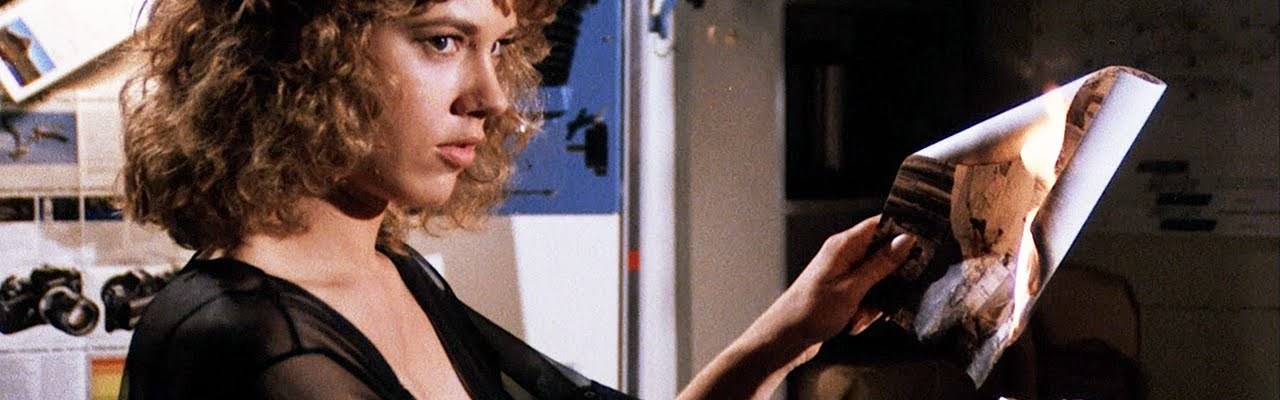
Matty hexes lyrical about a mid yet quietly important film in horror master Wes Craven’s canon.
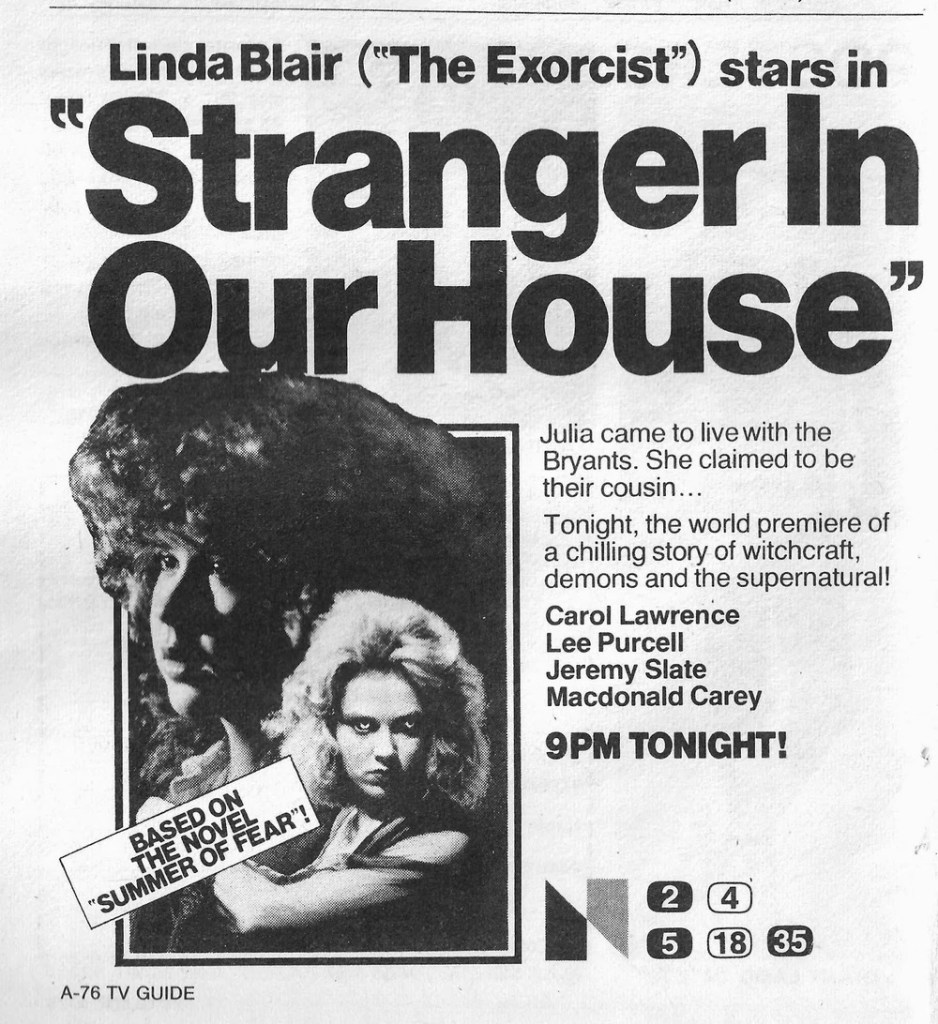
Recruited by producers Max and Micheline Keller, who’d been impressed by a screening of The Hills Have Eyes (1977), Wes Craven considered SUMMER OF FEAR (1978) — or, as this engaging TV flick was called on its original broadcast, ‘Stranger in Our House’ — his step into the mainstream. The film enabled the helmer to join the Director’s Guild of America; and despite spending the years in between trying to get a bunch of ultimately unrealised projects off the ground [1], it eventually led to what would then be his most high-profile assignments to date, Deadly Blessing (1981) and Swamp Thing (1982). Of course, as those versed in Craven lore already know, both Deadly Blessing and Swamp Thing caused a whole heap of new issues for the emerging – and reluctant – horror auteur. But without them, their frustrating makings, and their tepid critical and box office success, we wouldn’t have A Nightmare on Elm Street (1984). Craven penned his genre-defining masterpiece in Deadly Blessing and Swamp Thing’s wake, fuelled by financial necessity and artistic vexation. Mind you, without them we wouldn’t have the much-maligned Hills Have Eyes Part 2 (1984) either but that’s a different story — and I say that as a Hills 2 advocate…
Additionally, Summer of Fear was one of three Craven joints responsible for him being hired by producer Richard Kobritz for another boob tube nerve-jangler, Chiller (1985). The other two pics Kobritz viewed ahead of his decision were Craven’s second TV movie, Invitation to Hell (1984), and, a la the Kellers, The Hills Have Eyes.
Summer of Fear sports an amusing connection to Craven’s later classic, Scream (1996), as well. The film is an adaptation of a 1976 YA suspense novel by author and form specialist Lois Duncan, whose earlier tale, 1973’s I Know What You Did Last Summer, was subsequently twisted into a glossy slasher romp by Scream’s venerated scripter, Kevin Williamson [2].
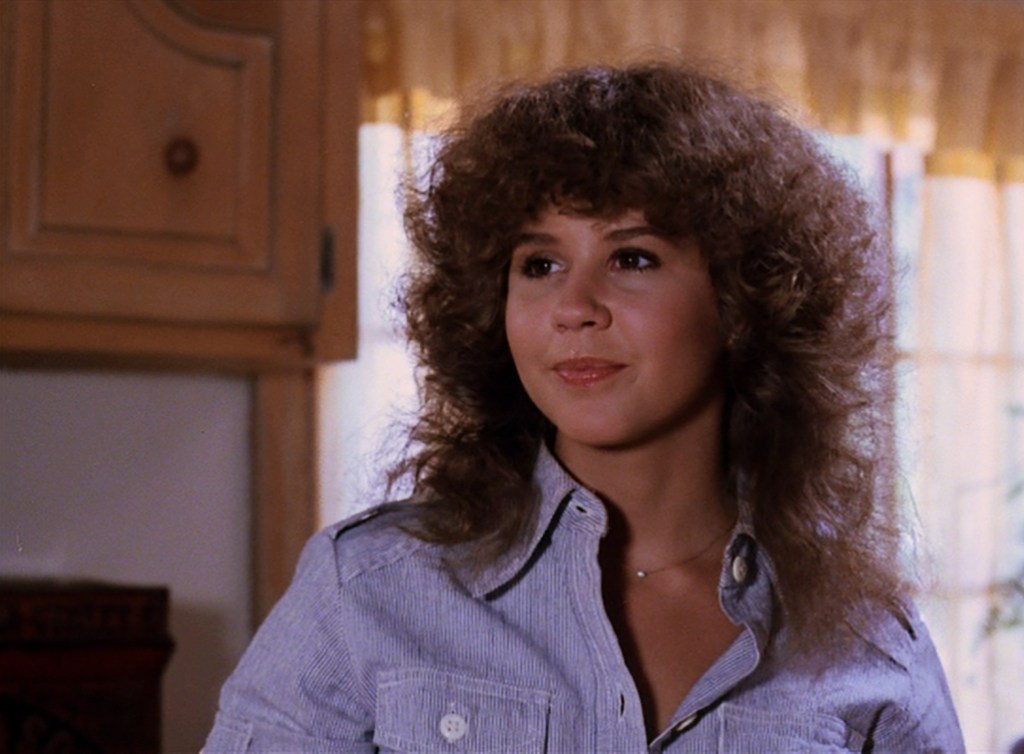
At Summer of Fear’s core are several of Craven’s signature themes and flourishes; specifically, his fixation on family units and how they can be rocked by outside forces, and his penchant for strong, inquisitive, and often outright dangerous female characters. Lead Rachel (Linda Blair, fresh from Exorcist II: The Heretic (1977)) fits alongside Elm Street’s Nancy Thompson, Vampire in Brooklyn’s (1995) Rita, and the Scream saga’s Sidney Prescott (Blair, lest we forget, also cameos in the o.g. Scream); and the film’s antagonist, orphaned ‘cousin’ Julia (Lee Purcell, a magnificent performance), simultaneously paves the way for the diabolism of Susan Lucci’s Jessica Jones in Invitation to Hell and Wendy Robie’s poker-faced domestic she-demon (of sorts), Woman, in The People Under the Stairs (1991).
A slick technical exercise, Summer of Fear marks the first instance of Craven shooting on 35mm and having access to cranes and dollies. Last House on the Left (1972) and The Hills Have Eyes were rough n’ ready 16mm opuses lensed with spit and scotch tape. His use of such comparative luxuries here imbue the film with a playful aesthetic and feel. There are, however, a handful of moments that come across as Craven peacocking for the sake of it, unleashing a blast of movement or snazziness just because he can, with little consideration for sequencing, meaning or tonal and dramatic impact. That said, Craven vainly flexing at least enlivens the film’s more plodding sections — there are a few — and there’s certainly charm in knowing that the director was, in effect, learning the tools of his trade in real time.
While hindered by the cutesy, ‘gee-whiz’ quality endemic of so many TV movies of its period, Summer of Fear boasts a gently creepy atmosphere and a nice sense of mounting paranoia as Rachel uncovers the truth about Julia, after the weirdly manipulative girl moves into Rachel’s family ranch following the suspicious death of her parents. Craven fosters an arresting air of maddening tension when Rachel’s attempts to reveal Julia as a literal witch repeatedly fall on deaf ears, before an awesome and inevitable all-hell-breaks-loose finale. The most effective passage, though, is a brief montage whereupon a deliberately syrupy cue from John D’Andrea and Michael Lloyd’s ace score plays in wry contrast to Julia’s malevolent infiltration of the most important relationships in Rachel’s life. In its own modest way the sequence prefigures the delicate balance of mundanity, ironic comedy, and insidious terror found in the likes of Shocker (1989), The People Under the Stairs, Red Eye (2005), and My Soul to Take (2010).

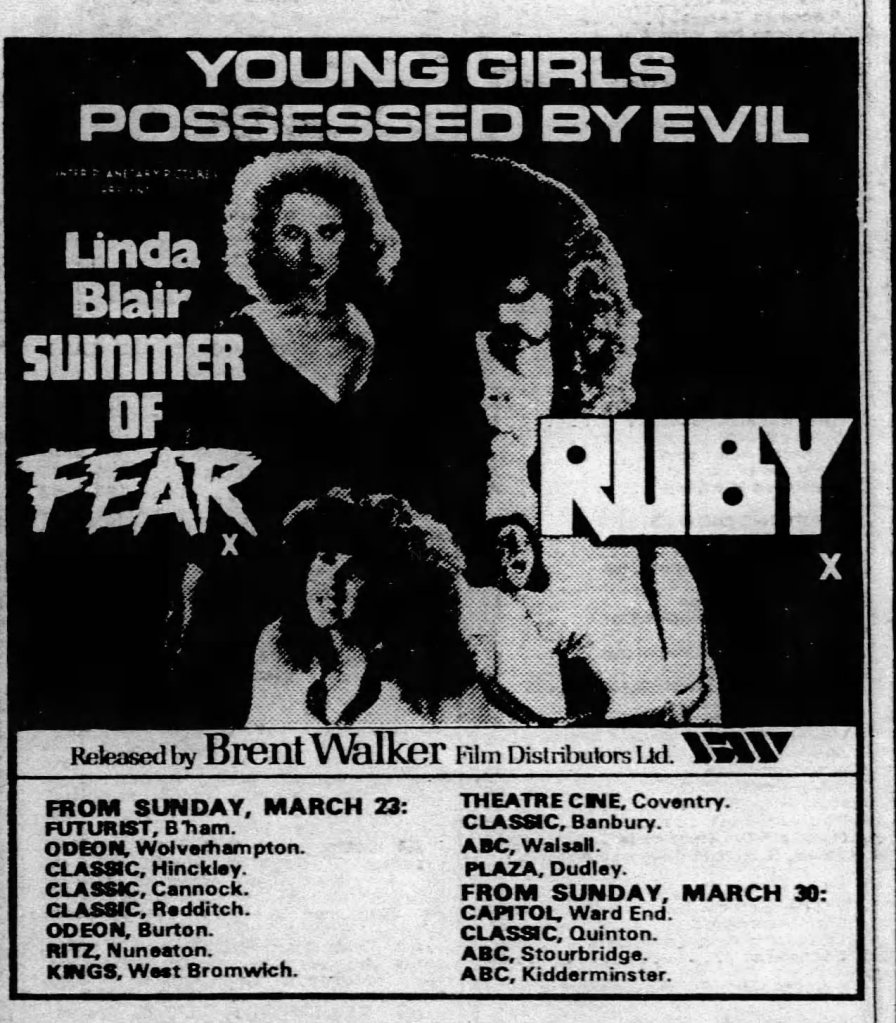
Premiering on NBC on Halloween night 1978 as the aforementioned ‘Stranger in Our House’, Summer of Fear was released theatrically in Europe under its better-known appellation. It landed in U.K. cinemas at the back end of March 1980 and spent the next fourteen months playing around the country with Curtis Harrington’s Ruby (1977) in a double feature advertised with a suitably attention grabbing pitch:
“Young girls possessed by evil!”
In September 1981, British distributor Brent Walker Film Services bundled Summer of Fear with Norman J. Warren’s natty Alien (1979) riff, Inseminoid (1981), and marketed the run with the same tagline. The film was still doing the rounds when Craven’s thematically twinned Deadly Blessing – which, like Summer of Fear, was produced by the Kellers and co-scripted by Glenn M. Benest – started its U.K. big screen bow in February 1982.

[1] Or, in the case of gritty drug thriller ‘Marimba’, watching it contort into Ruggero Deodato’s Cut and Run (1984) — starring Hills Have Eyes posterboy Michael Berryman, no less.
[2] Indeed, Duncan seems quite the influence on Williamson. His directorial debut, Teaching Mrs. Tingle (1999), owes an obvious debt to the writer’s 1978 text, Killing Mr. Griffin, too.
 The Schlock Pit