
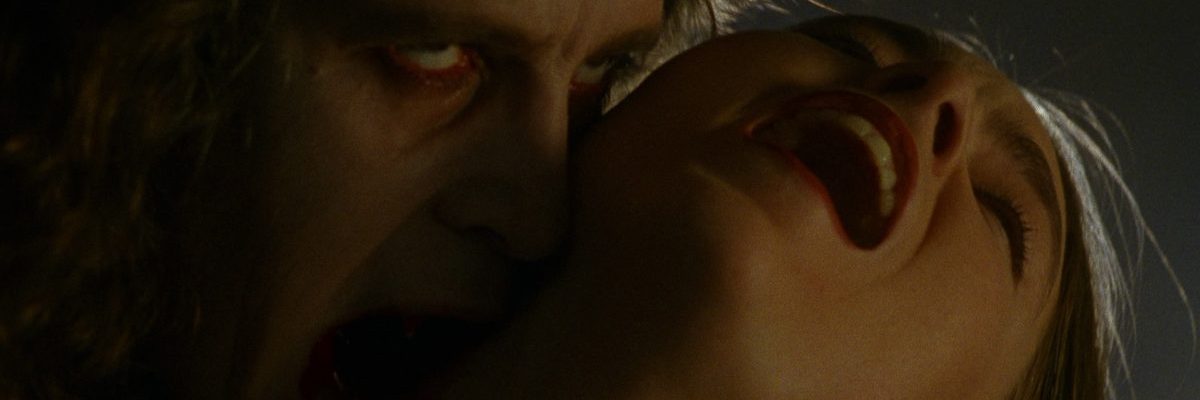
Matty praises Ted Nicolaou’s fang-tastic classic; one of the best pictures to bear the Full Moon name.
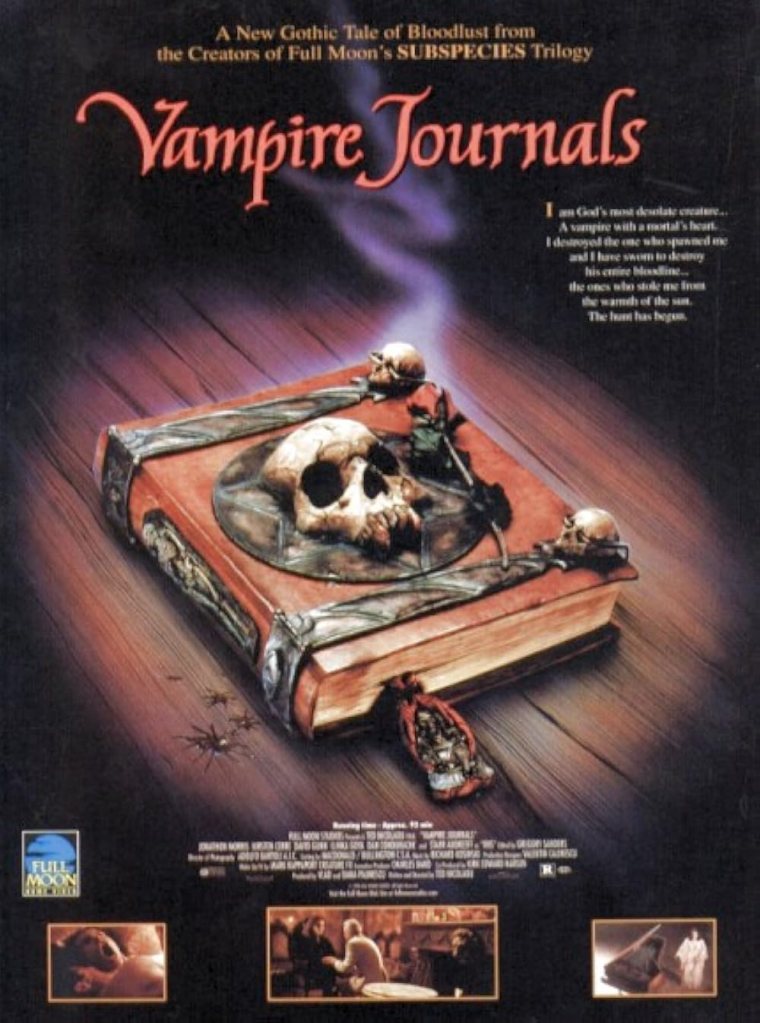
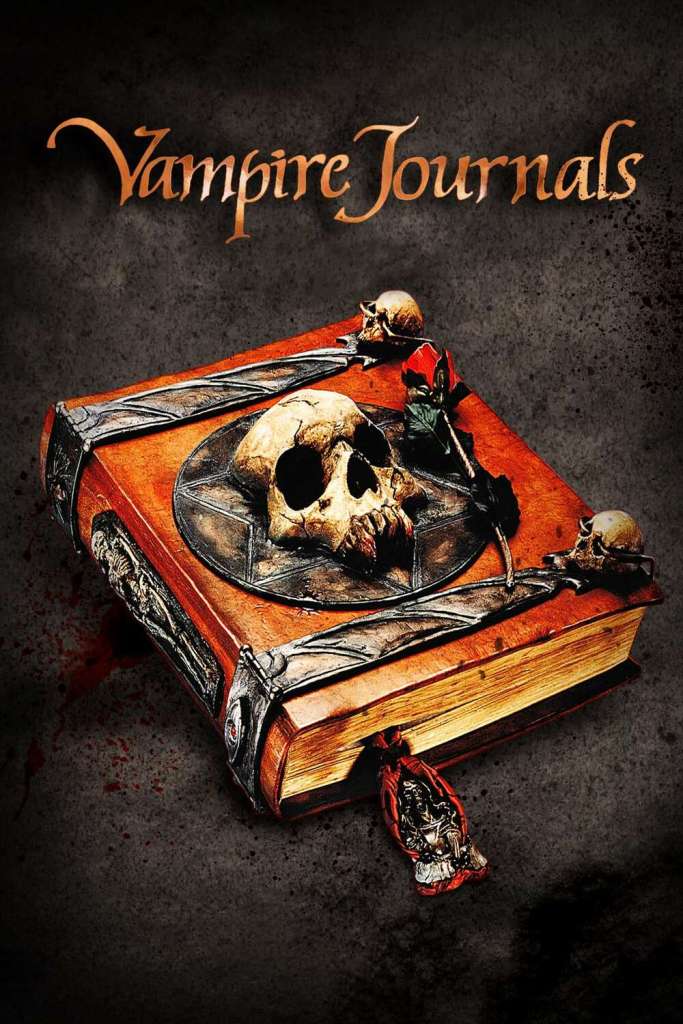
Produced in the gap between Full Moon’s union with big budget sugar daddy, Paramount, ending and their double-edged pact with The Kushner-Locke Company starting, VAMPIRE JOURNALS (1997) — like writer/director Ted Nicolaou’s earlier offerings, Leapin’ Leprechauns 1 & 2 (1995 & 6) — bridges both eras. By and large, the film’s sweeping, epic feel is emblematic of the scale and ambition present during the Paramount golden age. The missteps, meanwhile — the dodgy, exposition-heavy narration and a rushed closing stretch — betray the tighter funds, truncated schedules, and post production tinkering typical of the Kushner-Locke years. Nevertheless, as a whole, Vampire Journals is excellent.
Truly, truly excellent.
Luxurious and visually sumptuous, it’s a gorgeously photographed movie, bursting with painterly compositions typified by depth and texture. Everything placed in front of Vlad Păunescu’s lens is stunning: from the brooding, snow-covered Romanian locations, to the ornately designed props, costumes, and special effects (by Full Moon’s then-grue and make-up supplier, Mark Rappaport).
Vampire Journals’ hook:
Beautiful people playing beautiful, decadent bloodsuckers.
Indeed, ‘beautiful, decadent bloodsuckers’ (read:‘Interview With the Vampire (1994) cash-in’) was Full Moon boss Charles Band’s pitch to Nicolaou. Given he’d corralled the similarly brilliant Subspecies trilogy for the mogul, the project fit hand and glove. Nicolaou said he found the idea of doing another lavish, plasma-slurping gothic intriguing. Moreover, he also felt Vampire Journals would be a technical flex, now that he and cinematographer Păunescu — Band’s man on the ground in Romania, and a close friend and collaborator of Nicolaou’s — had their act down pat as far as actually shooting in Drac-land.
Unleashing a wealth of haunting and affecting images, Nicolaou employs mannered staging and his patented quirky flourishes to craft a dense, multi-layered world that stretches far beyond the parameters of the film’s story. Vampire hierarchy. Teasing and evasive individual backstories. A keening and mournful sensibility, the usual ‘vampirism as addition’ metaphor augmented by a poignant lament on the anguish and monotony of living only by night. And, of course, tethering to the Subspecies universe.
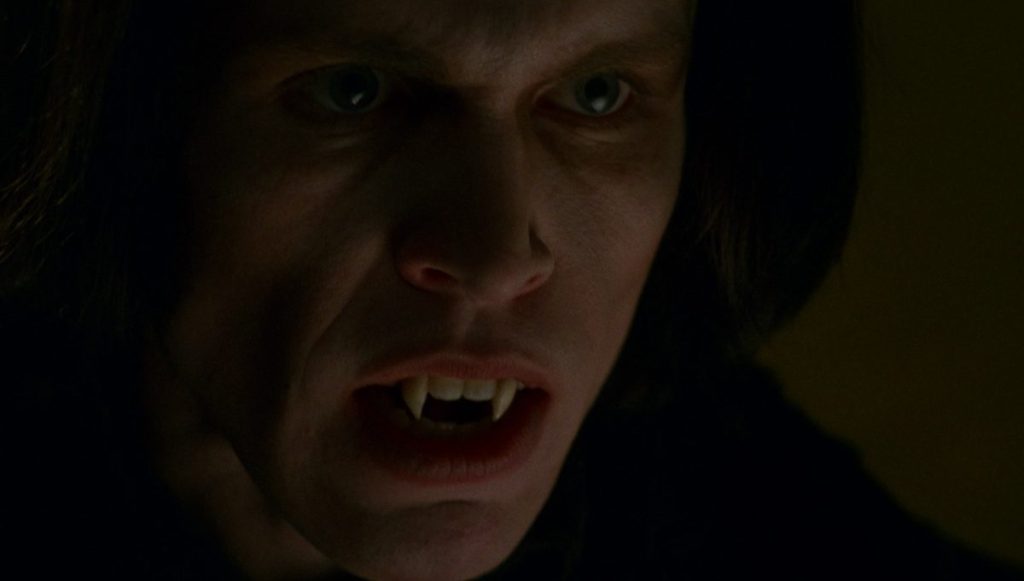
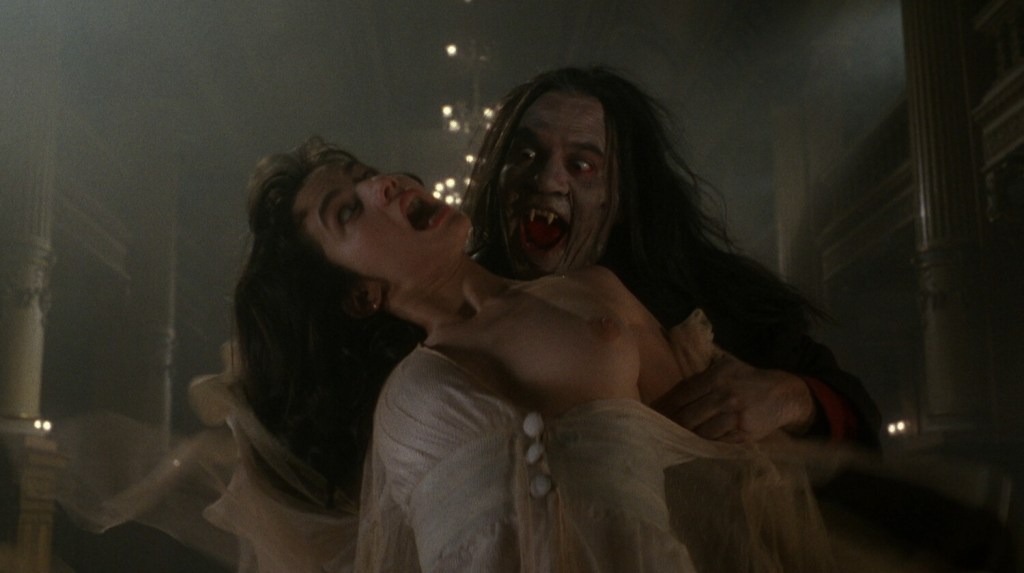
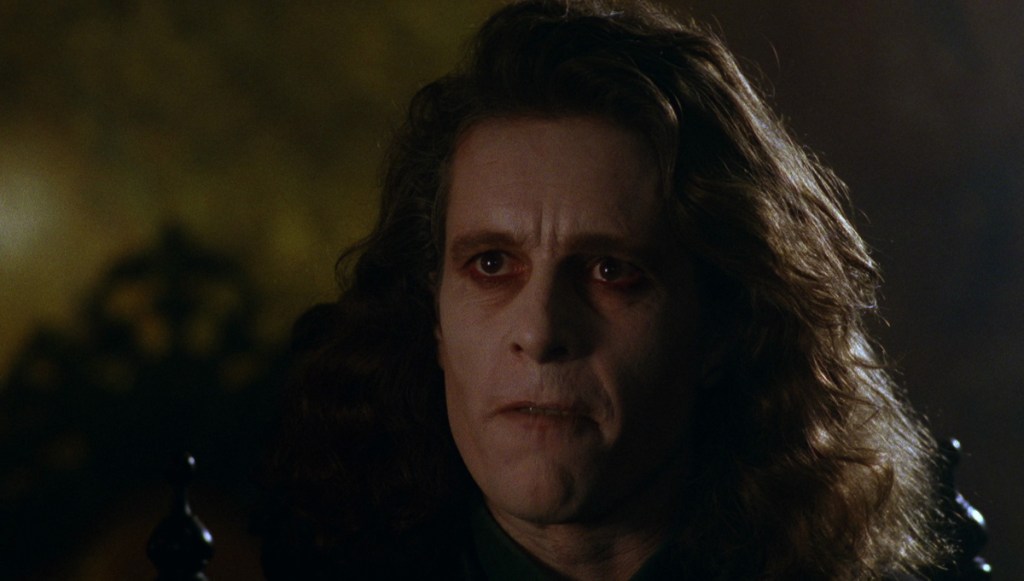
Centred around Club Muse — an elite, speakeasy safe haven for the undead — Vampire Journals continues in the Bloodlust: Subspecies III (1994) mode and sports a charged erotic atmosphere. At the film’s centre are two glorious performances. Best known on these shores as the star of sitcom Bread, Jonathon Morris is magnetic as ‘evil’ vampire, Ash. Exuding menace and a strange sense of anger-fuelled sadness, Morris plays the character as disturbingly out of step with their fierce public persona. Behind closed doors, he’s a tragic figure anchored by an unspoken loneliness and a fixation on past glories which sits at odds with his pro-fang rhetoric (“Immortality is the greatest gift of all”). Mentioning Radu in a brief yet suggestively expansive bit of dialogue, Ash subsequently appeared in Subspecies IV: Bloodstorm (1998) and Subspecies V: Blood Rise (2023). Morris, alas, only returned for the former.
Mike Mendez fav David Gunn (Killers (1996), The Convent (2000)) is likewise dazzling as the nominal ‘hero’, Zachary; a reluctant vampire channelling his self-loathing into slaying fellow ghouls. Again, as noted, Zachary’s narration is a touch purple prose-y and overwrought. However, the strength of Nicolaou’s script rests on Ash and Zachary’s nuances and dramatic interplay. Morally and politically, neither are wholly bad and neither are wholly good. They’re flawed individuals whose purgatorial existence is more relatable on a human level than their fantastical footing initially suggests.
Vampire Journals was released on tape in the U.S. by Full Moon’s own video division on 25th February 1997 (the same day that Vidmark issued Leprechaun 4: In Space (1996), fact fans). The film hit the U.K. two months later, on 19th May, and would be the final Full Moon joint distributed by Band’s longtime British peddler, Entertainment in Video.
 The Schlock Pit